
Blog
‘The story’ achter het Fairly Dressy fairtrade borduursel

nov
Van een idee tot een mooi fairtrade borduursel voor de Fairly Dressy jurk heeft een klein jaar geduurd maar het resultaat mag er zijn!
Het vervolg van blog: https://fairlydressy.nl/ecologische-jurk-fairly-dressy-van-biologisch-katoen-van-fairly-dressy
Hieronder het verhaal van Jenn Miller, Just Apparel.
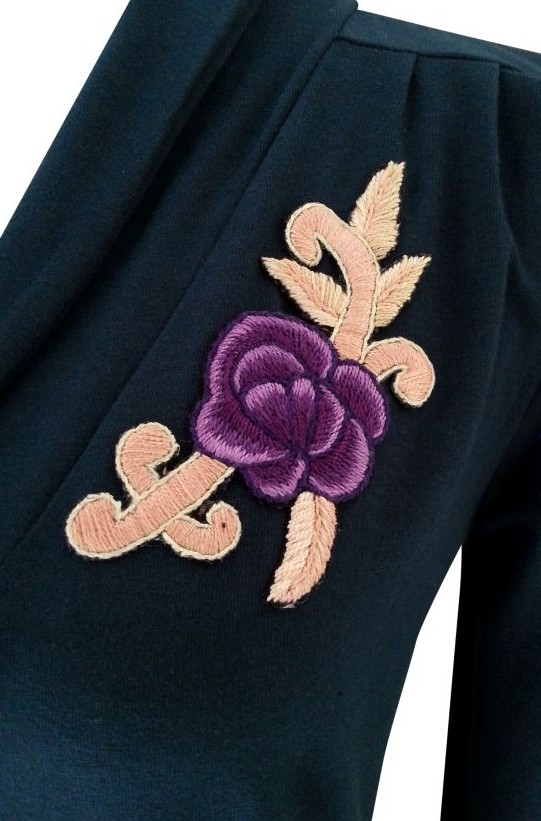
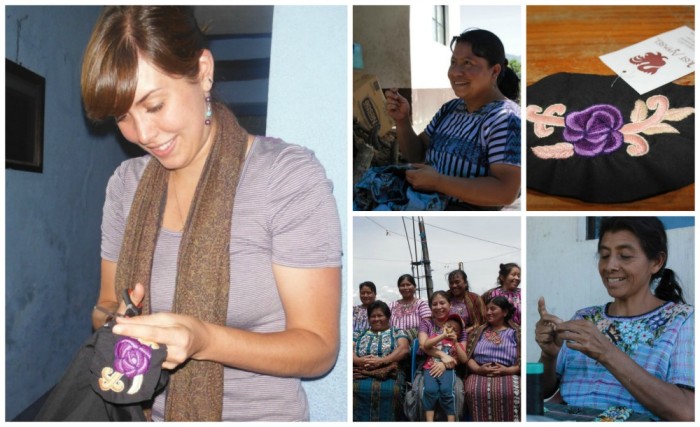
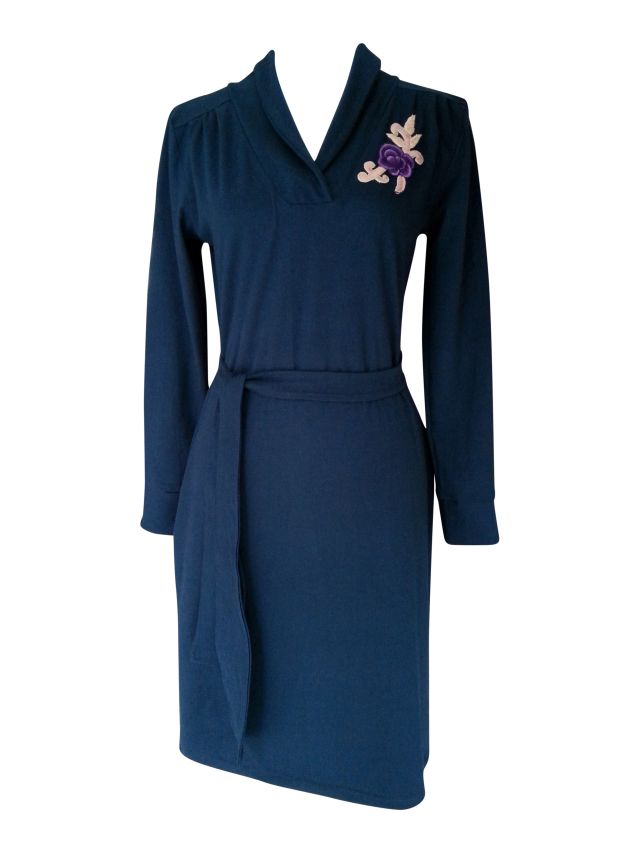
Behind every Just Apparel product is a story – a story of collaboration, creativity, resilience, travel. A story of women artisans working together to create high quality embroidery work, of committed clients who value ethical and just work practices, unique finished products that represent the culmination of months of work, and of conscious consumers who choose to purchase these fair-trade items.
Just Apparel’s recent collaboration with Fairly Dressy is one such story, exemplifying the beauty of all aspects of our work. This story of this collaboration started with a Just Apparel client – Karine Van der Meulen, designer and owner of Fairly Dressy – who contacted us for custom embroidery work. Fairly Dressy designs are all ecologically friendly and fair-trade certified, and because of the company’s dedication to these ethical practices in product creation, Karine sought out a fair-trade certified embroidery collective for the flower and branch designs she needed for a new line of dresses. That’s where Just Apparel came in!
Karine, working from Holland, communicated with a Just Apparel team member in the U.S. to finalize her design – selecting specific thread colors, dimensions, fabric choices, and quantities. This process involved creating a sending samples to Karine so she could view and approve the work in person; thus, our field team in Guatemala commissioned the creation of a few sample embroidery pieces and shipped them to Holland for Karine’s review.
When we had confirmed our client’s satisfaction, we went into production mode for the custom order. This process, in a small rural town in Guatemala, likely looks quite different from a typical process in Western countries. For example, the 25 women in our fair-trade artisan collective work from home in their communities in order to respect cultural work patterns and allow these women to care for their families. Additionally, all embroidery work is done by hand instead of machine, with materials purchased locally from small vendors, rather than large factories. And finally, because our artisans are of the indigenous community of Guatemala, coordination of orders must always be done in at least 3 languages – English for communication with clients, Spanish for communication with our Guatemalan coordinator, and Tzut’ujil (the indigenous language of the region) for communication with the artisans themselves.
With the design finalized and approved, the necessary materials purchased, and the desired scheduled arranged, we convened our artisans in Guatemala to assign the embroidery work. The women gathered on the roof of our local coordinator’s house, who explained to them the intricacies of the design, gave them the thread and fabric needed, and answered questions. Although the design involved multiple colors and small details, the women were able to grasp it quickly, helping one another to understand, and were quickly ready to begin their work. Each woman returned to her home with the task of creating 2-3 of the embroidered flower pieces and with a deadline for turning them in. Then, on their own schedules and in their own homes, the women went to work, each of them completing the assignment and turning it in on time. Each woman receives fair-trade wages at the time of delivery of her pieces – wages which allow her to purchase food, clothing, and other necessities for her family.
At the time of delivery, our local coordinator checks each piece to ensure that the quality is of the highest standard, tags the piece with the name of the woman who created it, and takes a photo for our records. Then, we carefully cut away any extra fabric to reduce shipping weight and prepare the package for shipment. After a half-hour boat ride to a nearby town across the lake, we arrived at the DHL office and shipped off Karine’s order to Holland!
We remained in contact with Karine along the way, and a few days later, she let us know that the shipment had arrived! Now that our embroidery work was done, it was time for Karine to begin her work creating the beautiful Fairly Dressy dresses that would feature the custom design. When the dresses were ready and available for purchase on the Fairly Dressy website, Karine let us know and here in Guatemala, we admired them from afar, happy to see how beautiful the finished product had turned out, and feeling fortunate to have been a part of the creation of such quality fair-trade products.
Met dank aan Sarah Mawhorter en Jenn Miller voor hun geduld en inzet!

Mooi verhaal over het echte handwerk!